
If you searched for vietnam travel itinerary 2 weeks, this guide gives you a realistic, rewarding route from north to south. In 14 days, you can experience Hanoi’s old streets, limestone bays, imperial history, lantern-lit towns, mountain passes, buzzing cities, and river life. This plan balances famous highlights with breathing room, so you are not spending your holiday constantly packing, transferring, and rushing. Explore with Travelvietnam now!
Overview: vietnam travel itinerary 2 weeks from Hanoi to Ho Chi Minh City
For most first-time visitors, a north-to-south route is the easiest way to understand Vietnam’s geography, culture, and food. You begin in Hanoi, travel through northern landscapes, continue to central Vietnam, then finish in the south.

This route works well because international flights often arrive in Hanoi and depart from Ho Chi Minh City. It also reduces backtracking, which saves time, energy, and money during a two-week trip.
Recommended 14-day route:
| Day | Destination | Main experience |
| 1 | Hanoi | Old Quarter, street food, Hoan Kiem Lake |
| 2 | Hanoi | Museums, temples, coffee culture |
| 3 | Ninh Binh | Boat trip, countryside cycling |
| 4 | Ha Long Bay or Lan Ha Bay | Overnight cruise |
| 5 | Bay to Hanoi | Caves, kayaking, return transfer |
| 6 | Fly to Da Nang, transfer to Hoi An | Ancient Town |
| 7 | Hoi An | Cooking class, tailoring, beaches |
| 8 | My Son or countryside | Culture, villages, local crafts |
| 9 | Hue via Hai Van Pass | Imperial Citadel, scenic road |
| 10 | Hue to Ho Chi Minh City | Tombs, flight south |
| 11 | Ho Chi Minh City | War history, markets, food |
| 12 | Cu Chi Tunnels or city deeper dive | History or hidden neighborhoods |
| 13 | Mekong Delta | Rivers, orchards, local life |
| 14 | Departure | Final coffee, shopping, airport |
Suggested image alt text: vietnam travel itinerary 2 weeks map from Hanoi to Ho Chi Minh City
Days 1–2: Hanoi, Vietnam’s atmospheric capital
Start in Hanoi because it offers an immediate introduction to Vietnam’s rhythm, history, and food culture. The city can feel chaotic at first, but that energy becomes part of its charm.
Spend your first day around Hoan Kiem Lake and the Old Quarter. Walk slowly through narrow streets named after traditional trades, such as silk, silver, paper, and herbs.
Do not schedule too much on arrival day, especially after a long international flight. Instead, focus on gentle sightseeing, coffee, and an early dinner.
Try egg coffee, bun cha, pho bo, and banh mi from trusted busy local spots. A small-group food tour is worthwhile if you feel unsure about ordering.
On day two, visit the Temple of Literature, Vietnam Museum of Ethnology, and Hoa Lo Prison Relic. These places provide context before you travel further.
If you enjoy performance arts, book a water puppet show in the evening. It is touristy, but it remains a memorable cultural experience.
Where to stay: The Old Quarter suits first-timers who want walkable dining, tours, and nightlife. The French Quarter feels calmer and more spacious.
Day 3: Ninh Binh, limestone landscapes and rural calm
Ninh Binh is often described as “Ha Long Bay on land,” but that phrase undersells its quiet beauty. The region combines limestone peaks, rivers, rice fields, temples, and small villages.
Travel from Hanoi to Ninh Binh by train, limousine van, or private car. The journey usually takes around two to three hours, depending on traffic.
Choose either Trang An or Tam Coc for a boat ride through dramatic karst scenery. Trang An feels more organized, while Tam Coc can feel more rustic.
After the boat trip, rent a bicycle or scooter to explore village lanes and rice fields. Mua Cave viewpoint is also excellent near sunset.
If you want a slower pace, spend one night here instead of rushing back to Hanoi. This is especially useful for photographers and nature lovers.
Best stay area: Tam Coc is convenient for restaurants, guesthouses, bikes, and easy access to nearby attractions.
Days 4–5: Ha Long Bay or Lan Ha Bay overnight cruise
No first Vietnam trip feels complete without seeing the country’s famous limestone seascapes. Ha Long Bay is iconic, while Lan Ha Bay often feels quieter.
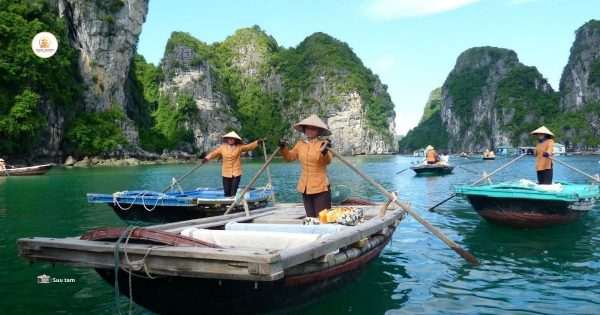
For a more peaceful experience, consider cruises departing from Cat Ba or Tuan Chau toward Lan Ha Bay. Many travelers prefer it because the scenery is similar, but boat traffic can be lighter.
An overnight cruise usually includes kayaking, cave visits, swimming, cooking demonstrations, and meals onboard. Choose carefully because cruise quality varies widely.
Do not book only by the cheapest price, especially if safety, food quality, and cabin comfort matter. Read recent reviews and check the route before confirming.
On day five, enjoy the morning cruise activities before returning to Hanoi. Most transfers arrive in the capital during the late afternoon or early evening.
Practical tip: Avoid scheduling a late-night international flight after the cruise. Weather, traffic, and port delays can create unnecessary stress. It’s not good for Vietnam travel itinerary 2 weeks, right?
Days 6–8: Hoi An, lanterns, food, beaches, and slow travel
Fly from Hanoi to Da Nang, then transfer roughly 45 minutes to Hoi An. This saves significant time compared with long overland travel.
Hoi An is one of Vietnam’s most beloved destinations, and it deserves at least three days. The Ancient Town is beautiful, but its surrounding countryside is equally rewarding.

On your first evening, wander the lantern-lit streets near the Thu Bon River. Visit early or late to avoid the busiest tour-group hours.
During the day, explore Japanese Bridge, old merchant houses, assembly halls, and riverside lanes. Buy the official Old Town ticket to support preservation.
Use day seven for a cooking class, basket boat experience, tailor visit, or beach time. An Bang Beach is easy to reach by bicycle or taxi.
On day eight, choose between My Son Sanctuary and a countryside cycling tour. My Son is best for travelers interested in Cham history and ancient architecture.
This vietnam travel itinerary 2 weeks route keeps three nights in Hoi An because many travelers wish they had stayed longer. It is the perfect place to slow down.
Food to try: cao lau, white rose dumplings, mi quang, chicken rice, and coconut coffee.
Day 9: Hue via the Hai Van Pass
Travel from Hoi An to Hue by private car, motorbike tour, train, or shuttle. The scenic Hai Van Pass makes this one of Vietnam’s most enjoyable travel days.
A private car allows stops at Marble Mountains, Lang Co Bay, and viewpoints along the pass. A motorbike tour offers more adventure, provided you travel with a reputable operator.
Hue was Vietnam’s imperial capital, and its atmosphere feels different from Hoi An. It is quieter, more reflective, and strongly connected to royal history.
In the afternoon, visit the Imperial Citadel if time allows. The complex suffered damage during wars, but its gates, walls, and palaces remain powerful.
Have dinner with Hue specialties like bun bo Hue, banh khoai, nem lui, and delicate royal-style cakes. Hue food is often spicier and more complex.
Where to stay: Stay near the Perfume River or the city center for easier access to restaurants and historical sites.
Day 10: Hue tombs, pagodas, then flight to Ho Chi Minh City
Spend the morning visiting the royal tombs before flying south. Tombs of Minh Mang, Khai Dinh, and Tu Duc are among the most impressive.
If you prefer fewer stops, choose two tombs and Thien Mu Pagoda. This gives you time to appreciate the architecture without feeling museum fatigue.
In the late afternoon or evening, fly from Hue or Da Nang to Ho Chi Minh City. Flying is the most efficient option for a two-week route.
The difference between Hue and Ho Chi Minh City is instantly noticeable. The south feels faster, warmer, more commercial, and more international.
Check into your hotel, then enjoy a simple dinner near your area. Save deeper exploration for the following day, when you have more energy.
Days 11–12: Ho Chi Minh City, history and modern energy
Ho Chi Minh City, still widely called Saigon, is Vietnam’s economic powerhouse. It blends colonial architecture, war history, rooftop bars, street food, and creative cafés.
Start with the War Remnants Museum, Reunification Palace, Notre-Dame Cathedral area, and Central Post Office. These sights help explain modern Vietnam’s complicated history.
Ben Thanh Market is famous, though prices can be tourist-oriented. Visit for atmosphere, then eat at nearby food streets or local restaurants.
On day twelve, decide between the Cu Chi Tunnels and a deeper city day. The tunnels are historically important, but the journey can take half a day.
If you stay in the city, explore Cholon, the Fine Arts Museum, Tan Dinh Church, or a coffee apartment building. These options show more local texture.
Evening food tours by scooter are popular for good reason. They introduce dishes and districts many visitors would not find alone.
Best stay areas: District 1 is convenient for first-timers. District 3 feels local yet central, with excellent food and cafés.
Day 13: Mekong Delta day trip or overnight extension
The Mekong Delta offers a softer ending after Vietnam’s major cities and heritage towns. Rivers, canals, orchards, markets, and family workshops define the region.
For a day trip, Ben Tre is a strong choice because it is relatively close and less hectic than some routes. You can ride boats, taste tropical fruit, and visit coconut workshops.
If you can spare one extra night, stay in Can Tho and visit Cai Rang Floating Market early. The market is most active near sunrise.
A day trip is convenient, but an overnight stay gives a truer sense of delta life. This matters if you care about photography, food, and local culture.
Return to Ho Chi Minh City in the evening before your departure day. Avoid booking this trip on the same day as an international flight.
Day 14: Departure from Ho Chi Minh City
Use your final morning for coffee, souvenirs, or one last bowl of noodles. Keep the schedule light, because city traffic can be unpredictable.
Popular gifts include Vietnamese coffee, chocolate, lacquerware, silk scarves, fish sauce, and handmade ceramics. Check airline rules before packing liquids or strong-smelling items.
Arrive at Tan Son Nhat International Airport with enough buffer time. International departures are smoother when you avoid last-minute rush-hour surprises.
So, you finished Vietnam travel itinerary 2 weeks.
Best time to follow this route
Vietnam is long, so weather changes significantly between north, central, and south. There is no perfect month for the entire country.
Generally, March to April offers pleasant conditions across many regions. October to November can also be excellent, especially after heavy summer heat.
Northern Vietnam can be cool in winter, especially from December to February. Central Vietnam may experience heavier rain and storms around September to November.
Southern Vietnam is warm year-round, with a dry season from roughly December to April. Rainy season showers are often short but intense.
Pack layers, breathable clothing, and a lightweight rain jacket. Comfortable shoes matter more than stylish footwear, especially in old towns and cave areas.
Transport tips for a smoother Vietnam trip
Domestic flights save time on long distances, especially Hanoi to Da Nang and Hue or Da Nang to Ho Chi Minh City. Book early during holidays.

Trains are scenic and comfortable for some routes, including Hanoi to Ninh Binh. Overnight trains can be useful, but they are not always restful.
Limousine vans are common between Hanoi, Ninh Binh, and Ha Long Bay. They are usually faster and more comfortable than standard buses.
Ride-hailing apps are useful in major cities, especially for short rides and airport transfers. They reduce confusion about fares and destinations.
Do not underestimate travel time. Vietnam’s distances can look manageable on a map, but roads, traffic, and weather change plans quickly.
Estimated budget for 14 days in Vietnam
Vietnam travel itinerary 2 weeks, you must have plan and estimated budget.
Vietnam can suit backpackers, mid-range travelers, and luxury guests. Your budget depends heavily on hotels, cruises, flights, and private transfers.
A comfortable mid-range traveler might spend around 70–130 USD per day, excluding international flights. This usually includes clean hotels, good meals, tours, and some flights.
Backpackers can spend less by using hostels, buses, street food, and shared tours. Luxury travelers can spend much more on resorts and premium cruises.
The biggest splurge is usually the bay cruise. Paying more often improves cabin quality, food, route planning, and overall safety standards.
Carry some cash for markets, small restaurants, entrance fees, and rural areas. Cards are accepted in many hotels, but not everywhere.
Vietnam travel itinerary 2 weeks
Visa, connectivity, and practical updates
Vietnam now offers electronic visas for many nationalities, with stays of up to 90 days depending on current regulations. Always verify requirements before booking.
Buy a local SIM card or eSIM for navigation, translation, and ride-hailing. Strong mobile data makes independent travel much easier.
Use a reusable bottle where refill stations are available, and avoid unnecessary single-use plastic. More hotels and tours now support lower-waste travel.
Book reputable operators for cruises, motorbike tours, and adventure activities. Low prices can sometimes mean weaker safety procedures or rushed experiences.
Respect temples, family homes, and rural communities by dressing modestly and asking before photographing people. Small gestures greatly improve interactions.
Easy variations for different travel styles
If you love mountains, replace Ninh Binh or one city day with Sapa, Pu Luong, or Ha Giang. Ha Giang is spectacular but needs more time.
If you prefer beaches, extend Hoi An or add Phu Quoc after Ho Chi Minh City. This creates a softer, more resort-focused ending.

If you dislike frequent moves, remove Hue and spend longer in Hoi An and Ho Chi Minh City. A slower route can feel more enjoyable.
If food is your priority, book guided food experiences in Hanoi, Hoi An, Hue, and Ho Chi Minh City. Each region tastes completely different.
Final thoughts
Use this vietnam travel itinerary 2 weeks plan if you want a balanced first trip with culture, landscapes, food, history, city energy, and beach time. It moves logically from Hanoi to the south, reduces backtracking, and keeps the pace exciting without becoming exhausting.
Vietnam rewards flexible travelers, so treat the schedule as a strong framework rather than a strict rule. Leave room for street food discoveries, weather changes, local advice, and quiet moments that turn a good trip into a memorable one.
Sources consulted
- Vietnam National Authority of Tourism: official destination and travel information
- Lonely Planet Vietnam travel guides and destination pages
- Rough Guides Vietnam itinerary and regional travel advice
- Intrepid Travel Vietnam destination guidance and itinerary ideas
- Nomadic Matt Vietnam travel tips and budgeting insights